


By Bobby Freeman | Compass Florida · Carpenter | Kessel Homeselling Team · Florida’s Space Coast Real Estate Market Analyst
Updated June 2026 · Educational · Nonpartisan
Editor’s Note: This guide is intended to help Florida homeowners and voters understand the proposed property tax amendment as of June 2026. It is not an endorsement for or against the measure. Readers should review the official ballot language and consult appropriate tax, legal, or financial professionals before making decisions.
Florida voters will soon decide on one of the most significant property tax proposals in state history. The proposed constitutional amendment could gradually increase Florida’s Homestead Exemption to as much as $250,000, potentially lowering non-school property taxes for many qualified homeowners.
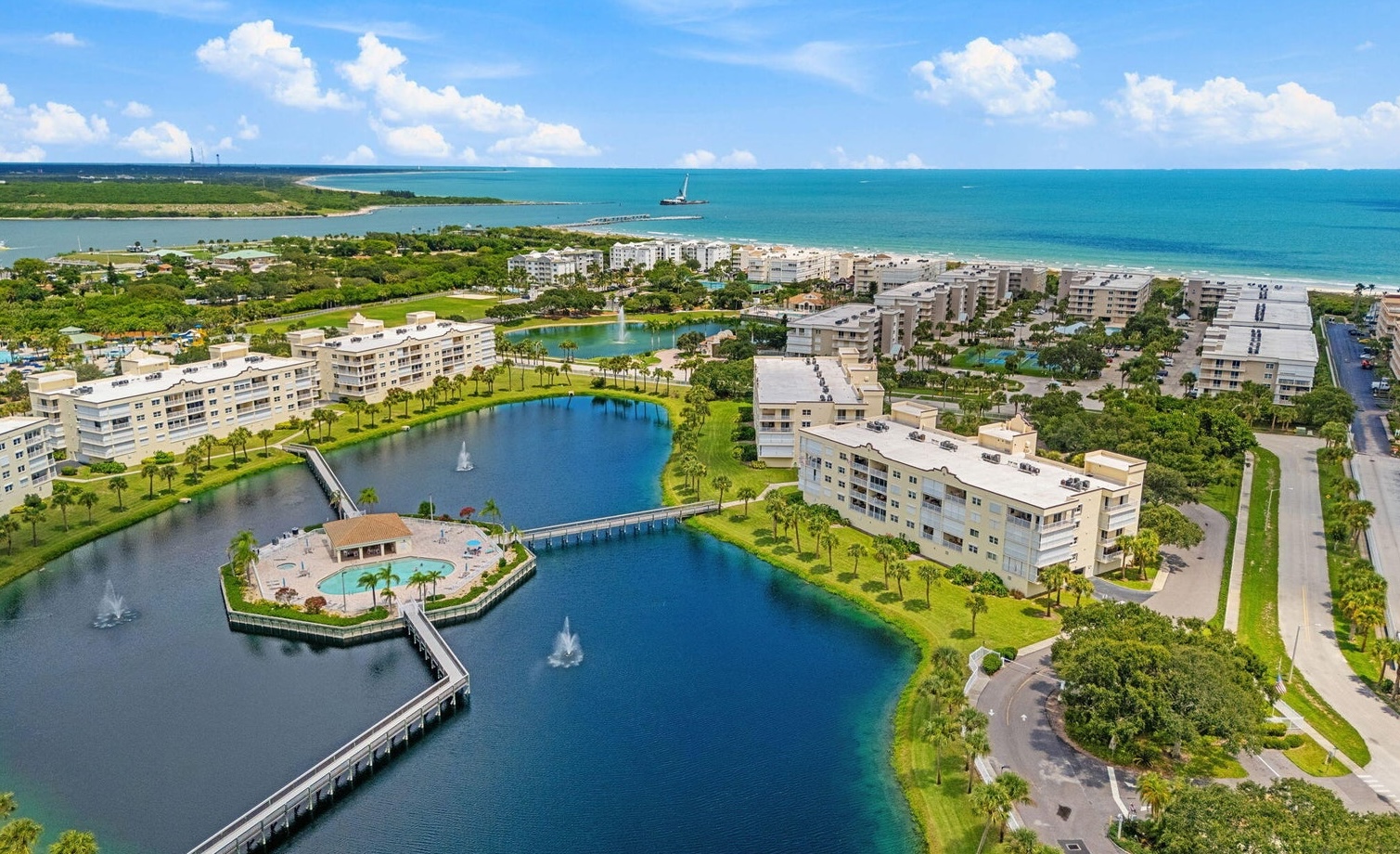
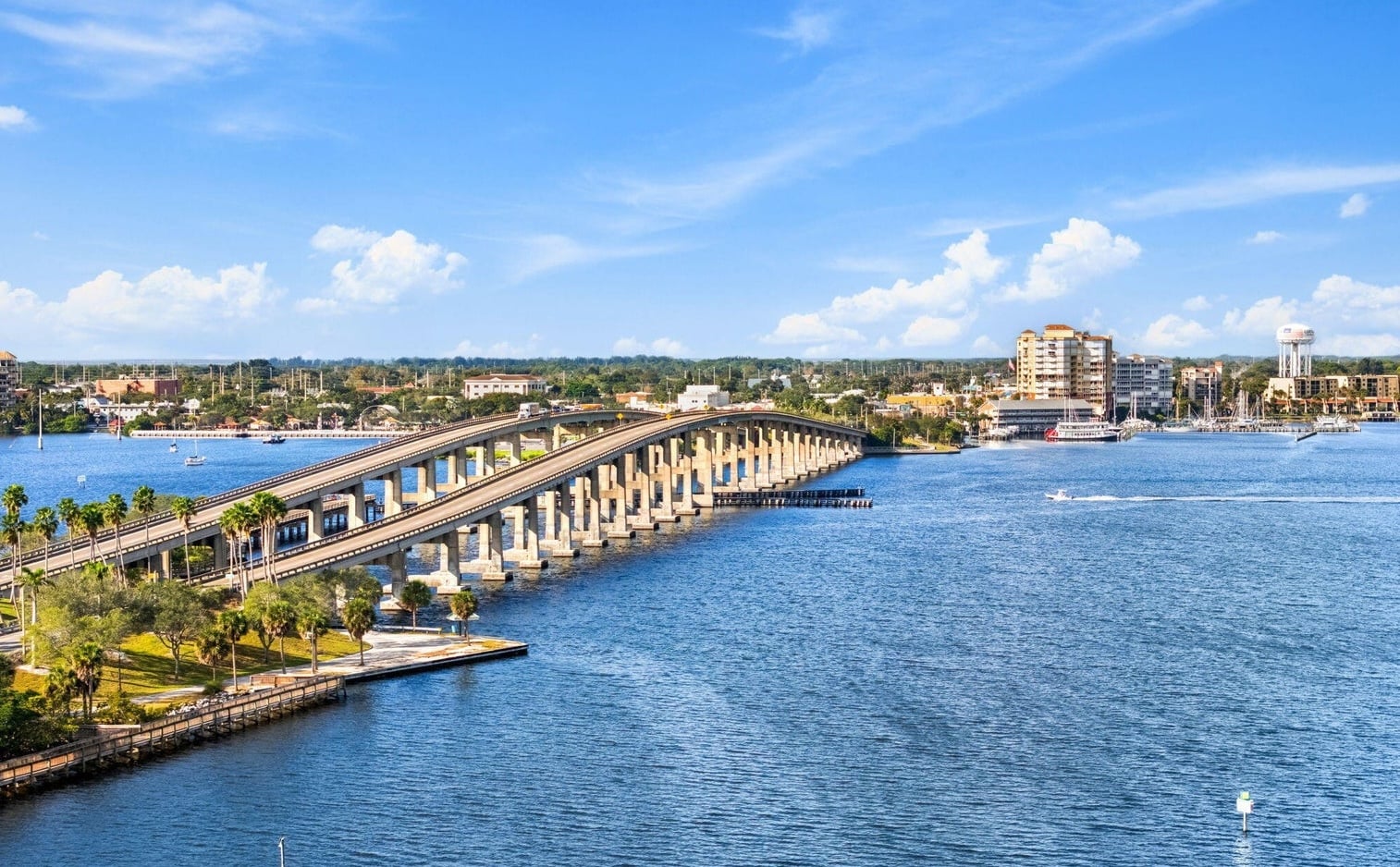
For homeowners across Florida’s Space Coast — including Cocoa Beach, Cape Canaveral, Merritt Island, Viera, Satellite Beach, Melbourne, Palm Bay, Rockledge, Titusville, and surrounding Brevard County communities — the proposal raises an important question: What would this actually mean for your home, your tax bill, and your local community?
Key Takeaways
- Nothing changes unless Florida voters approve the constitutional amendment in November 2026.
- The amendment requires at least 60% voter approval to pass.
- The proposal could gradually increase Florida’s Homestead Exemption to as much as $250,000.
- School district property taxes would continue.
- Vacation homes, second homes, rental properties, and most investment properties generally would not qualify.
- Supporters say the proposal could provide relief for homeowners facing rising insurance, inflation, and ownership costs.
- Critics argue it could reduce local government revenue and create pressure on public services or future budgets.
What Has Actually Been Approved So Far?
One of the biggest misconceptions is that Florida property taxes have already changed. That is not the case.
The legislation signed in June 2026 allows the proposed constitutional amendment to appear before Florida voters during the November 2026 election. The expanded exemption itself does not become law unless voters approve it.
Because this is a constitutional amendment, it must receive at least 60% voter approval to become part of the Florida Constitution.
Understanding Florida’s Homestead Exemption
Florida’s Homestead Exemption reduces the taxable value of a qualifying primary residence. In general, a lower taxable value can result in a lower annual property tax bill.
To qualify, homeowners must establish Florida residency and meet the state’s homestead requirements. Homestead Exemption generally applies to primary, owner-occupied residences.
It generally does not apply to vacation homes, second homes, rental properties, most investment properties, or commercial real estate.
Current Law vs. the Proposed Amendment
| Current Law | Proposed Amendment |
|---|---|
| Maximum Homestead Exemption is generally $50,000. | The exemption could gradually increase to as much as $250,000. |
| School taxes continue under the current system. | School district property taxes would continue. |
| Current Homestead rules apply. | Expanded benefits would apply only to qualifying homesteaded properties. |
| Second homes and investment properties generally do not receive Homestead benefits. | Second homes, rentals, vacation homes, and most investment properties generally still would not qualify. |
Proposed Timeline
2026
Florida voters decide whether to approve the constitutional amendment.
2027
The expanded exemption could begin phasing in if approved.
2028
The exemption could increase further, potentially reaching as much as $250,000.
Future
Future adjustments may be tied to inflation, depending on final implementation.
Why Supporters and Opponents Disagree
Why Supporters Favor It
- Potentially lower annual property tax bills for qualified homeowners.
- Relief from rising insurance premiums and overall homeownership costs.
- Greater affordability for retirees and long-term residents.
- More incentive for owner-occupied homeownership in Florida.
Concerns Raised by Opponents
- Reduced revenue for cities, counties, and local governments.
- Possible pressure on public safety, infrastructure, parks, and libraries.
- Potential tax burden shifting to businesses, rental properties, or non-homesteaded properties.
- Uncertainty about how local governments would adjust future budgets.
What This Could Mean for Brevard County
This is where the proposal becomes especially relevant for Space Coast homeowners. Residents in Cocoa Beach, Cape Canaveral, Merritt Island, Melbourne, Satellite Beach, Viera, Rockledge, Titusville, Palm Bay, and surrounding communities could see lower annual county and municipal property taxes on qualifying homesteaded homes if the amendment passes.
At the same time, Brevard County, local municipalities, and special taxing districts rely on property tax revenue to fund local services such as public safety, road maintenance, parks, libraries, emergency services, and community facilities.
Bobby’s Perspective
“After more than 22 years helping buyers and sellers across Florida’s Space Coast, I’ve learned that understanding the full cost of homeownership matters just as much as understanding the purchase price.”
Frequently Asked Questions
Is this already law?
No. Florida voters must approve the constitutional amendment in November 2026, and it requires at least 60% voter approval to pass.
Does this eliminate school property taxes?
No. School district property taxes would continue under the proposal.
Will every homeowner receive a $250,000 exemption?
No. The exemption would phase in gradually and apply only to qualifying homesteaded primary residences.
Would investors or second-home owners benefit?
Generally, no. Second homes, vacation homes, rental properties, and most investment properties typically do not qualify for Florida’s Homestead Exemption.
Have Questions About Your Home’s Value?
Whether you’re planning to buy, sell, or simply understand your home’s position in today’s market, I can help you look at the full picture.

About the Author
Bobby Freeman
Bobby Freeman is a REALTOR® with Compass Florida and the Carpenter | Kessel Homeselling Team, specializing in residential real estate throughout Florida’s Space Coast, including Cocoa Beach, Cape Canaveral, Merritt Island, Melbourne, Satellite Beach, Viera, Rockledge, Titusville, Palm Bay, and surrounding Brevard County communities.
With more than 22 years of experience, over 1,500 successful real estate transactions, and more than $520 million in closed sales, Bobby regularly publishes educational articles covering Florida housing trends, property taxes, insurance, market conditions, and homeownership.
Check out this article next