



NASA’s Moon Base Plans: Why Blue Origin and Kennedy Space Center Matter to Florida’s Space Coast
NASA’s newest lunar awards include a nuclear-powered rover, billions in potential delivery contracts, and a direct connection to Brevard County’s aerospace economy.
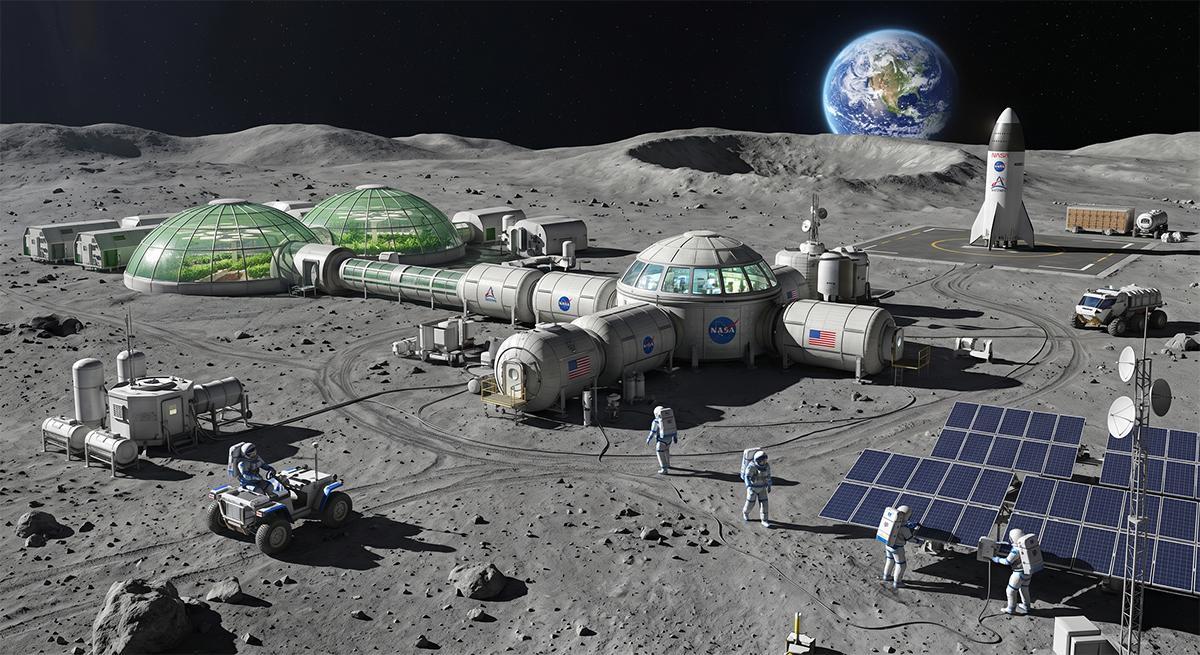
The next chapter of space exploration has a direct Space Coast connection. On November 7, 2026, NASA announced major Moon Base contracts and technology plans, including a new assignment for Blue Origin to deliver a nuclear-powered rover to the lunar South Pole. The announcement also involves launch services managed through NASA’s Kennedy Space Center in Brevard County.
For residents of Cocoa Beach, Cape Canaveral, Merritt Island, Titusville, Melbourne, and surrounding communities, this is more than a story about the Moon. It is a reminder of the Space Coast’s growing role in the nation’s aerospace industry—and a reason to watch how future missions may influence local employers, suppliers, and housing demand.
At a glance: What NASA announced
- Blue Origin received a $94 million base award, with a potential $140 million option, to deliver the nuclear-powered PROMISE rover.
- Blue Origin and seven other companies are eligible to compete under the new CLPS 2 lunar delivery framework, with a combined maximum value of $10 billion over ten years.
- NASA awarded approximately $1.3 billion in transportation task orders through a program managed at Kennedy Space Center.
- The Moon Base remains a multi-phase plan; a permanent, inhabited settlement does not exist today.
What Is NASA’s Moon Base Program?
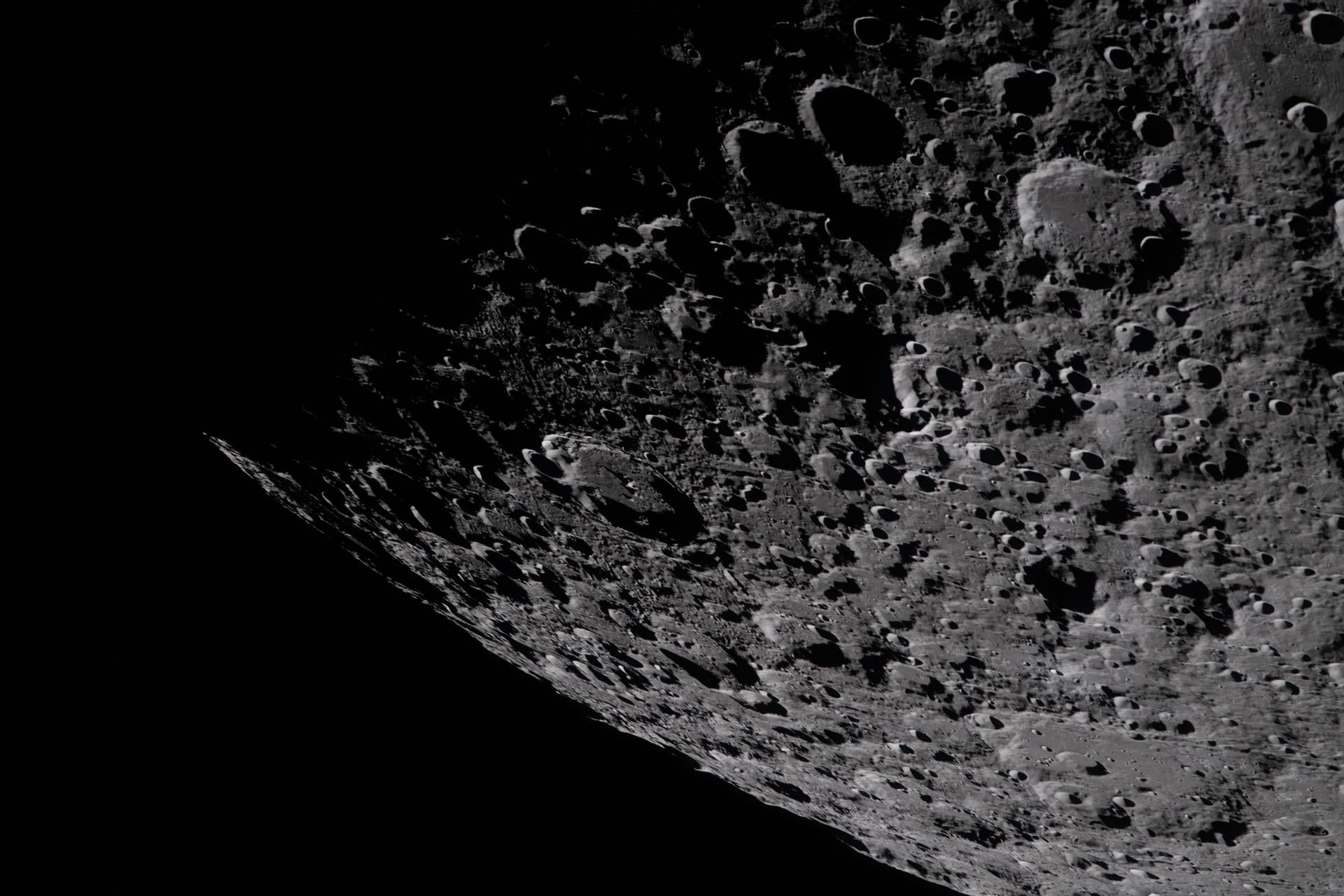
NASA is pursuing a long-term lunar outpost near the Moon’s South Pole. Its approach begins with robotic scouting, science missions, cargo deliveries, and technology demonstrations. Later phases would add the power, communications, transportation, and habitation systems needed for astronauts to live and work on the lunar surface for extended periods.
NASA’s current roadmap places early robotic exploration through 2029, foundational infrastructure development from 2029 to 2032, and more extensive habitation systems beginning in 2032. These are plans and targets, subject to technical progress, funding, and mission results. Read NASA’s Moon Base FAQ.
Blue Origin’s New NASA Award—and the Space Coast Connection
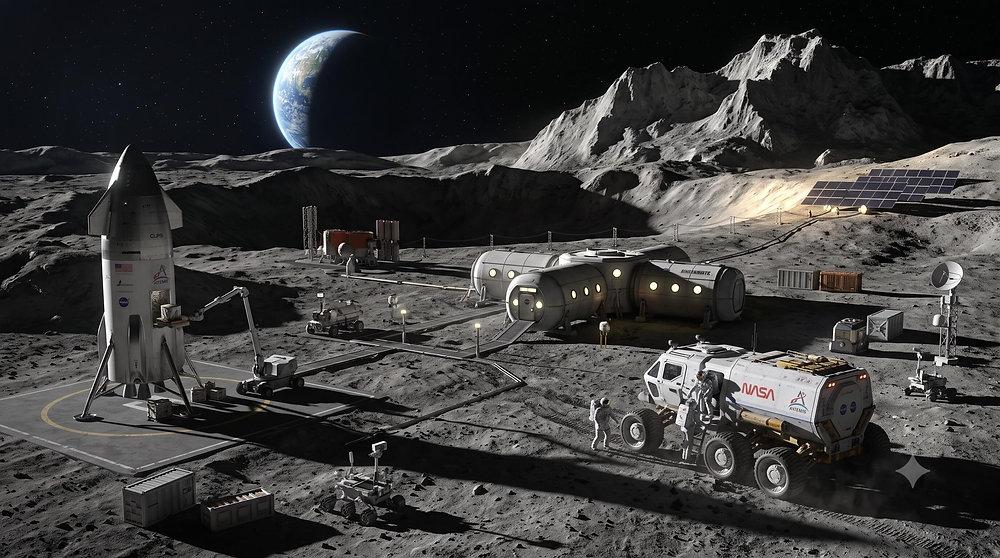
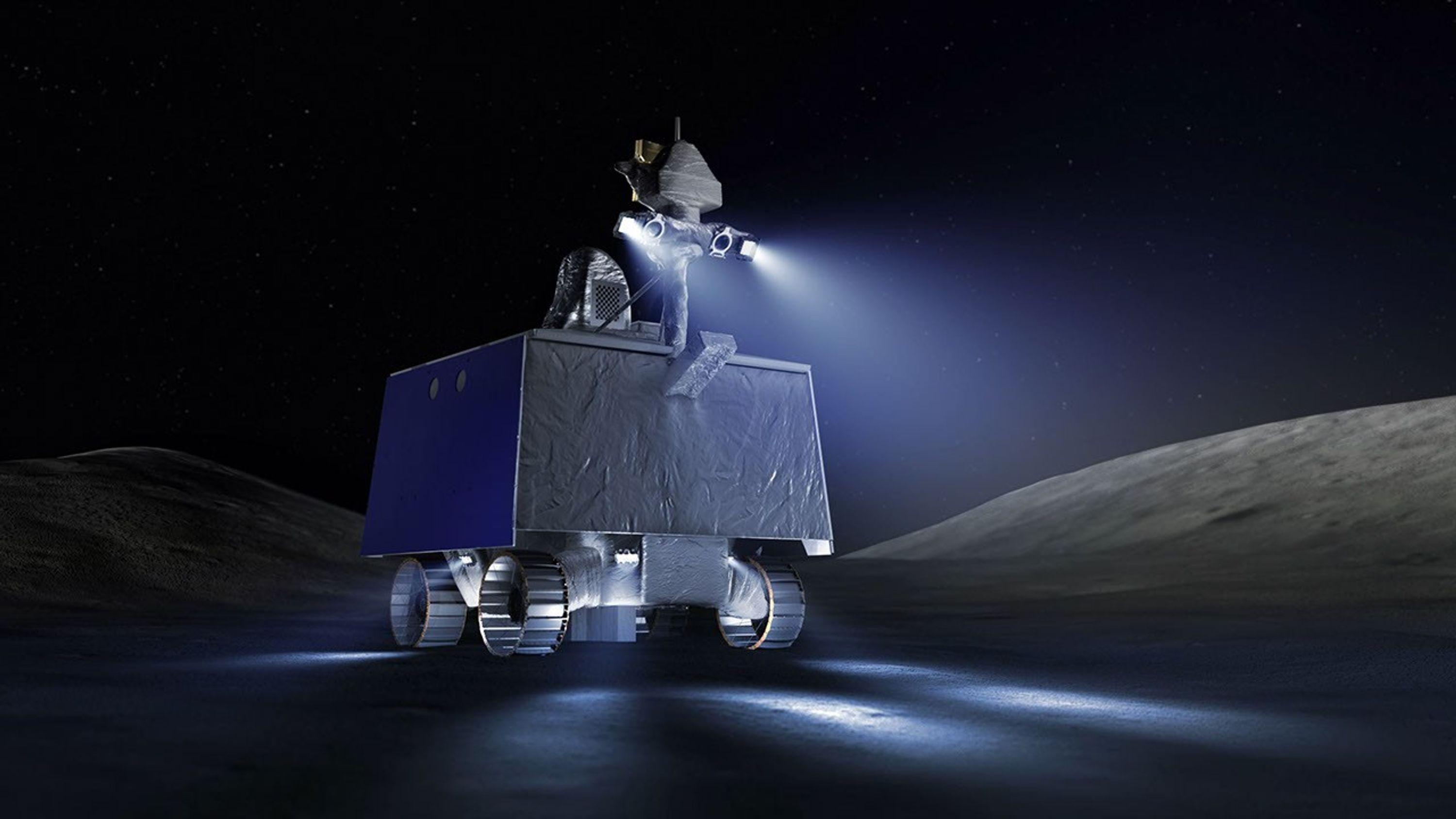
One of the most significant details in NASA’s November 7 announcement is its selection of Blue Origin to deliver PROMISE—the Polar Rover for Observation, Mapping, and In-Situ Exploration—to the Moon’s South Pole using its Blue Moon Mark 1 lander.
NASA says the six-wheeled, nuclear-powered rover will study the lunar surface and subsurface, investigate resources such as water ice, and help inform future landing sites and infrastructure decisions. The agency is targeting a late-2028 launch. The $94 million base award includes an option for up to $140 million more, contingent on performance and contract terms.
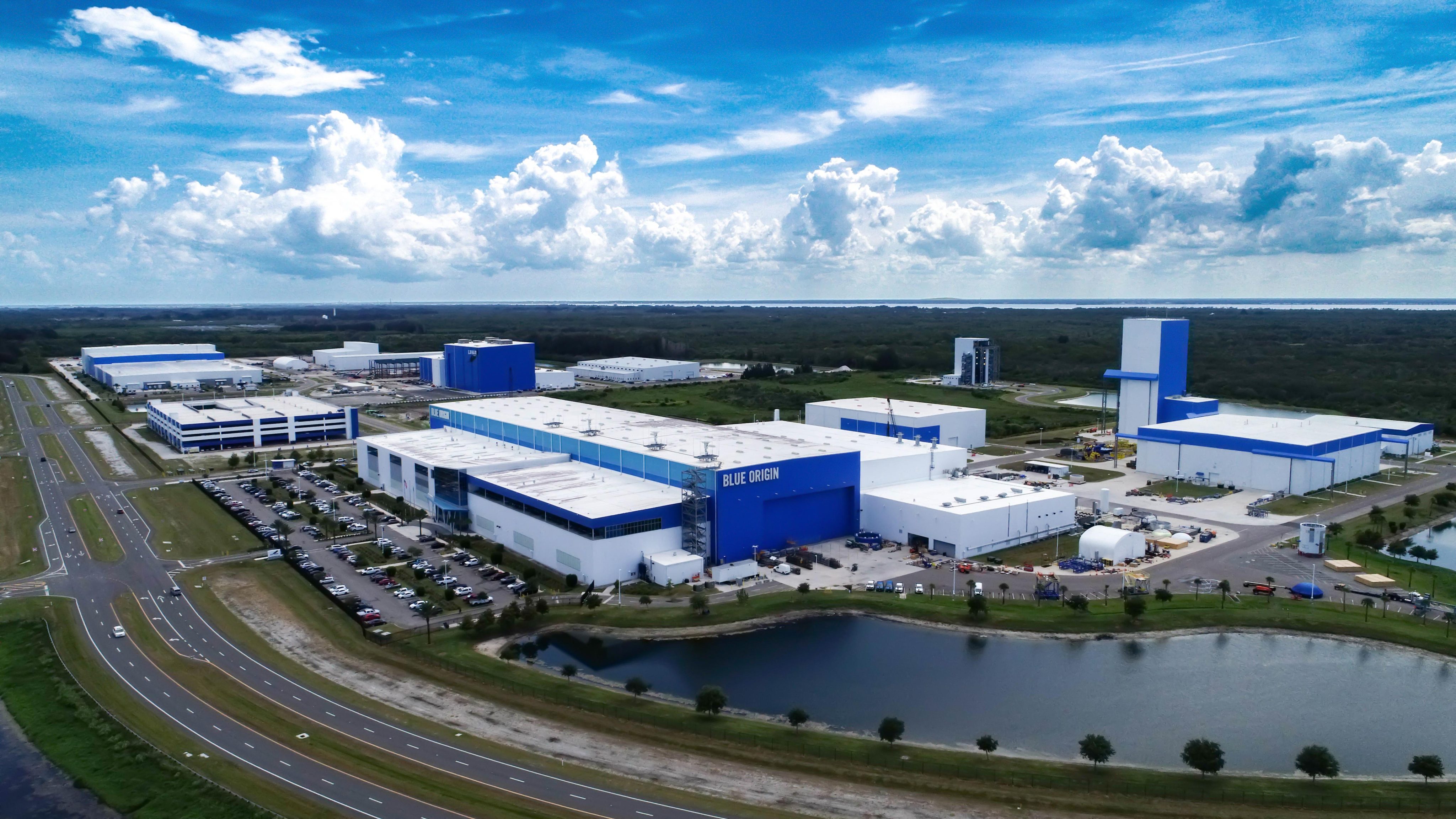
Blue Origin’s manufacturing and launch activities in the Cape Canaveral–Merritt Island area make this story especially relevant to Brevard County. The company is one of several commercial partners helping NASA advance lunar transportation, alongside firms including SpaceX, Firefly Aerospace, Intuitive Machines, and others.
What Does the $10 Billion NASA Contract Announcement Really Mean?
NASA selected eight companies eligible to compete for future commercial lunar payload deliveries under CLPS 2. The ten-year, multiple-award contract has a combined maximum ceiling of $10 billion. That figure is not a single payment to Blue Origin, nor does it mean NASA has already obligated or spent $10 billion.
Separately, NASA announced approximately $1.3 billion in launch and in-space transportation task orders. Those awards are managed through NASA’s Launch Services Program Office at Kennedy Space Center, creating a particularly direct institutional link between the new lunar initiative and the Space Coast.

Why Kennedy Space Center Remains Central to the Story
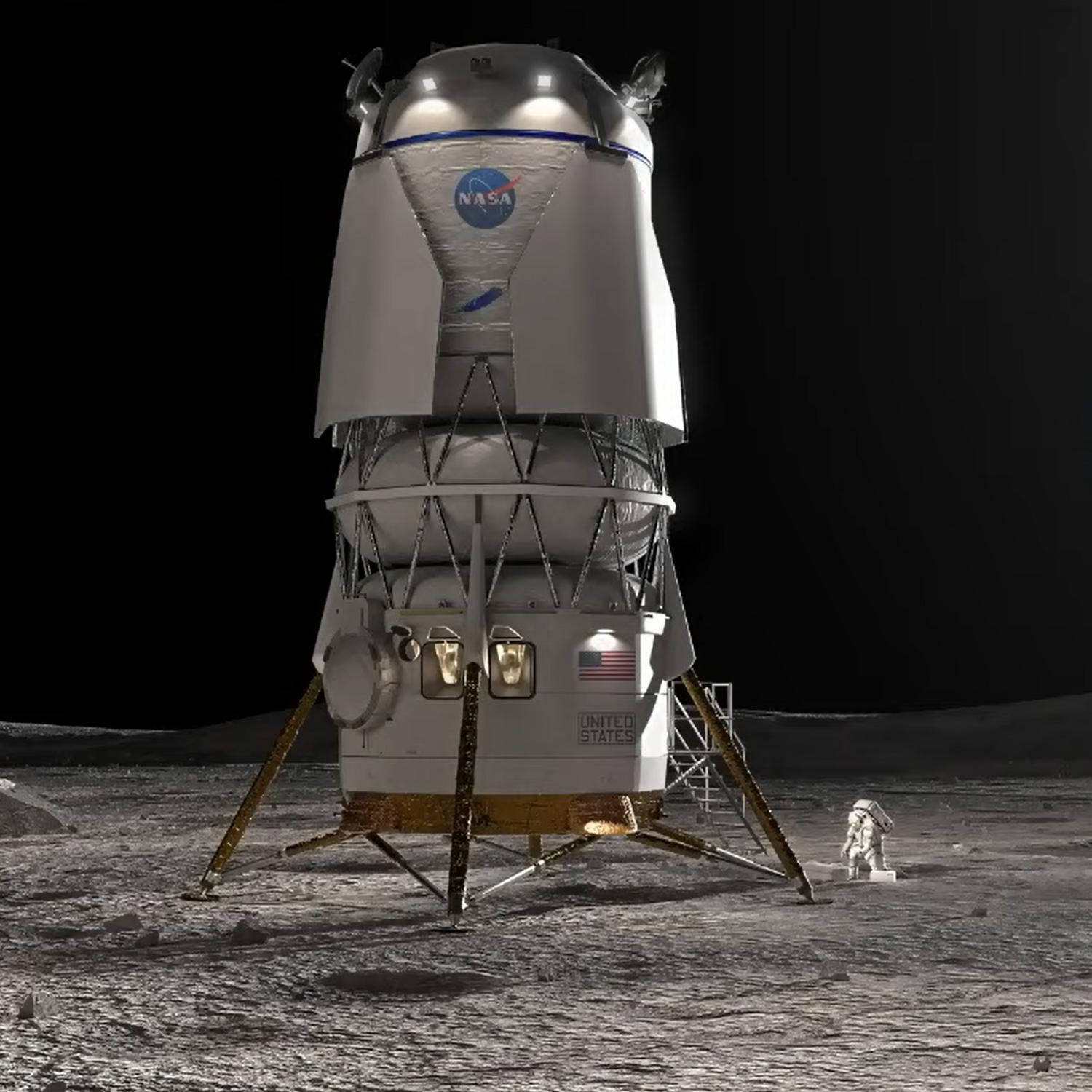
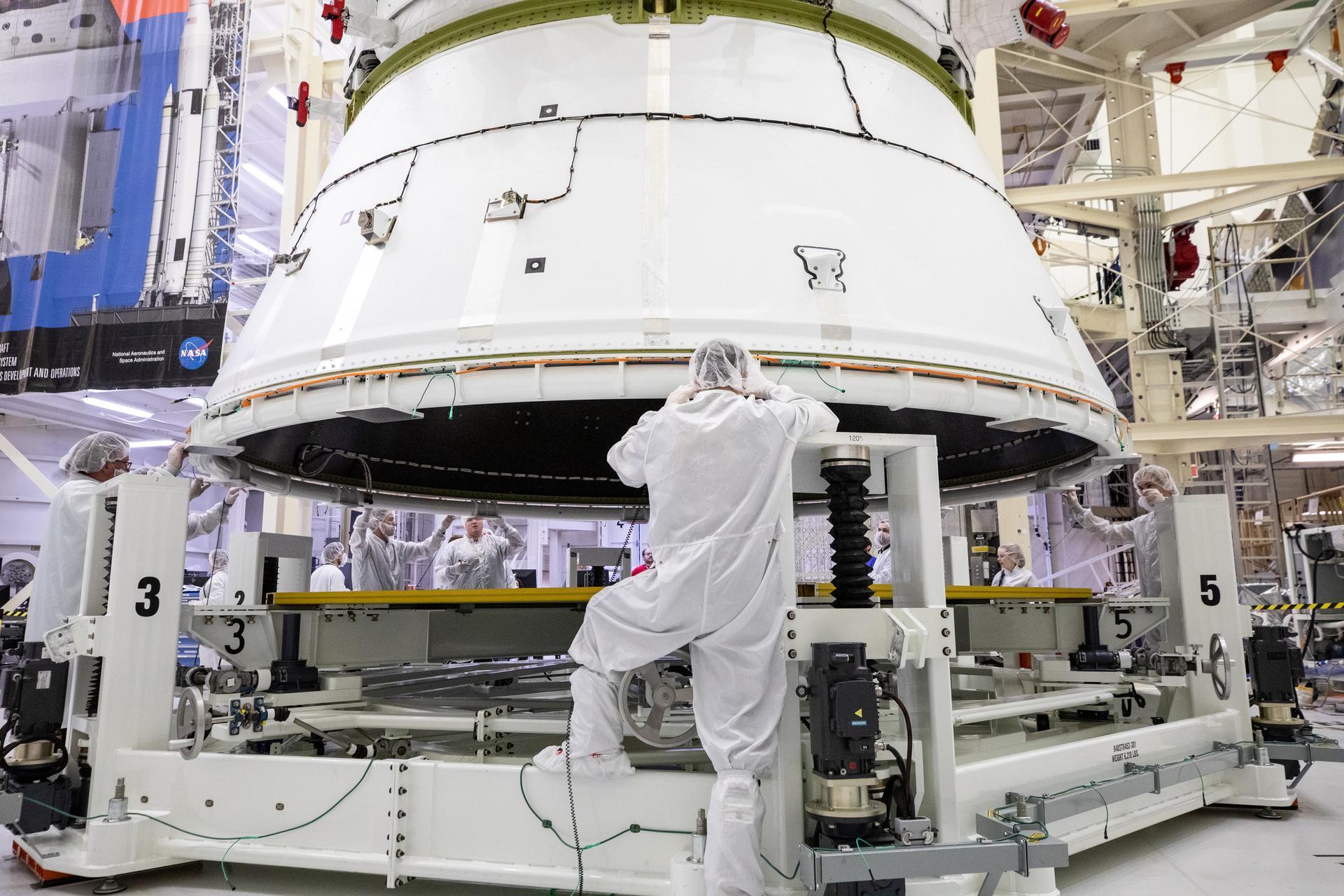
Kennedy Space Center is more than a launch destination. Its NASA Launch Services Program Office manages important transportation contracts, while the surrounding region supports spacecraft manufacturing, launch preparation, engineering, logistics, and specialized suppliers.
Future lunar operations will depend on a network of launch vehicles, landers, communications systems, scientific instruments, and ground teams. Not every component will be built in Brevard County, but the region’s established aerospace infrastructure gives local residents a meaningful connection to this national program.
Could NASA’s Moon Base Plans Shape the Future of Space Coast Real Estate?
Short answer: NASA’s lunar program could contribute to long-term housing demand in Brevard County if it leads to sustained local hiring, new suppliers, and aerospace investment. However, the November 7, 2026 announcement does not establish how many jobs will be created locally or predict higher home prices.
From lunar missions to local employment
Blue Origin’s operations on the Space Coast and NASA’s Kennedy Space Center make the region an important part of the broader aerospace economy. Future lunar contracts may create opportunities in engineering, manufacturing, software, testing, launch support, logistics, and related services. Whether those opportunities translate into additional Brevard County jobs depends on where contractors perform the work, their hiring decisions, and the pace of funded missions.
How could aerospace growth affect housing demand?
If aerospace employers hire or relocate more workers to Brevard County, some households may seek homes close to work, while others may prioritize coastal amenities, schools, newer construction, or a shorter commute. Sustained job and population growth can support demand for both ownership and rental housing, but it does not guarantee price appreciation.
Space Coast communities to watch
- Merritt Island: Access to Kennedy Space Center and established waterfront and residential neighborhoods.
- Titusville: A northern Brevard location convenient to Kennedy Space Center and nearby aerospace activity.
- Cape Canaveral: Coastal condominiums and neighborhoods near the Cape and Port Canaveral.
- Cocoa Beach: Oceanfront and waterfront living that may appeal to relocating professionals seeking a beach lifestyle.
- Viera and Rockledge: Planned communities, a mix of housing choices, and access to regional employment corridors.
- Melbourne and Palm Bay: Broader housing choices and connections to Brevard County’s aerospace and technology employers.
Will NASA’s Moon Base increase Space Coast home values?
There is no reliable basis to forecast a specific home-price increase from the Moon Base announcement alone. Any longer-term effect would depend on actual local job growth, wages, migration, new housing supply, mortgage rates, insurance costs, condominium fees, and affordability. Buyers and sellers should evaluate current neighborhood-level sales and inventory rather than assume a single aerospace contract will change property values.
Bobby and Nikki Freeman’s local perspective
For Bobby Freeman and Nikki McCoy Freeman of McCoy Freeman at Compass, the most useful signals to watch are verified aerospace hiring announcements, facility expansions, relocation activity, and changes in local housing inventory. Bobby is a lifelong Space Coast resident with more than 22 years of real estate experience and over 1,500 transactions. Their perspective combines local market experience with an understanding of the communities surrounding Kennedy Space Center.
For additional context, explore their guide to buying and selling on the Space Coast and waterfront home pricing guide.
What Happens Next?
NASA’s next milestones include continued rover development, lunar delivery preparations, technology demonstrations, and further Moon Base infrastructure work. The PROMISE rover is targeted for launch in late 2028, while NASA’s broader Moon Base roadmap extends into the 2030s.
For Space Coast residents, the most useful developments to monitor will be confirmed mission dates, local facility expansions, new company announcements, verified job growth, and additional NASA contract awards.
Frequently Asked Questions
Is NASA building a Moon Base?
NASA has announced a phased program to develop a sustained lunar presence near the Moon’s South Pole. The base is not yet a completed or inhabited facility.
What is Blue Origin’s role in NASA’s Moon Base?
Blue Origin has been selected for lunar delivery work, including a $94 million base award to deliver NASA’s nuclear-powered PROMISE rover, with a potential additional $140 million option. It is also eligible to compete for future CLPS 2 deliveries.
How is Kennedy Space Center involved?
NASA’s Launch Services Program Office at Kennedy Space Center manages launch and transportation contracting related to the new lunar initiative. The surrounding Space Coast also hosts significant aerospace manufacturing and launch operations.
Does the $10 billion contract mean Blue Origin received $10 billion?
No. The $10 billion is the combined maximum ceiling of a ten-year contracting framework under which eight eligible companies may compete for future lunar delivery missions.
Will NASA’s Moon Base increase Space Coast home prices?
There is no verified basis to predict a specific price increase from this announcement. Future aerospace hiring could influence housing demand, but real estate outcomes depend on many local economic and market factors.
Which Brevard County communities are convenient to Kennedy Space Center?
Merritt Island and Titusville offer relatively direct access to Kennedy Space Center. Cape Canaveral, Cocoa Beach, Rockledge, and Viera may also suit aerospace workers depending on their specific workplace, commute, budget, and lifestyle preferences.
Could Blue Origin and NASA lunar missions bring new residents to the Space Coast?
They could, if new contracts lead to sustained hiring or relocations in Brevard County. NASA’s November 2026 announcement does not specify how many new local residents or jobs will result, so any population or housing-demand effects remain uncertain.
When will astronauts live at the Moon Base?
NASA’s phased roadmap anticipates more extensive habitation systems beginning in 2032, but no specific date for permanent occupation is guaranteed.
Considering a Move to Florida’s Space Coast?
Whether you’re relocating for an aerospace career, looking for a waterfront home, or exploring communities near Kennedy Space Center, Bobby and Nikki McCoy Freeman can help you understand the local real estate market.
Original Sources & Further Reading
- NASA: Moon Base Transportation, Technology, and Science Awards — November 7, 2026
- NASA JPL: PROMISE Rover and Lunar Delivery Details
- NASA: Moon Base Frequently Asked Questions
- NASA: PROMISE Lunar Rover Mission
Editorial note: Contract values, mission plans, and timelines reflect NASA’s announcements as of November 8, 2026 and may change. Illustrative lunar imagery is not photographic evidence of an existing Moon Base. Photo credits and usage permissions should be confirmed with the original creators before publication.