



Florida Amendment 3 in Cape Canaveral: What Condo Owners, Homeowners & Buyers Need to Know
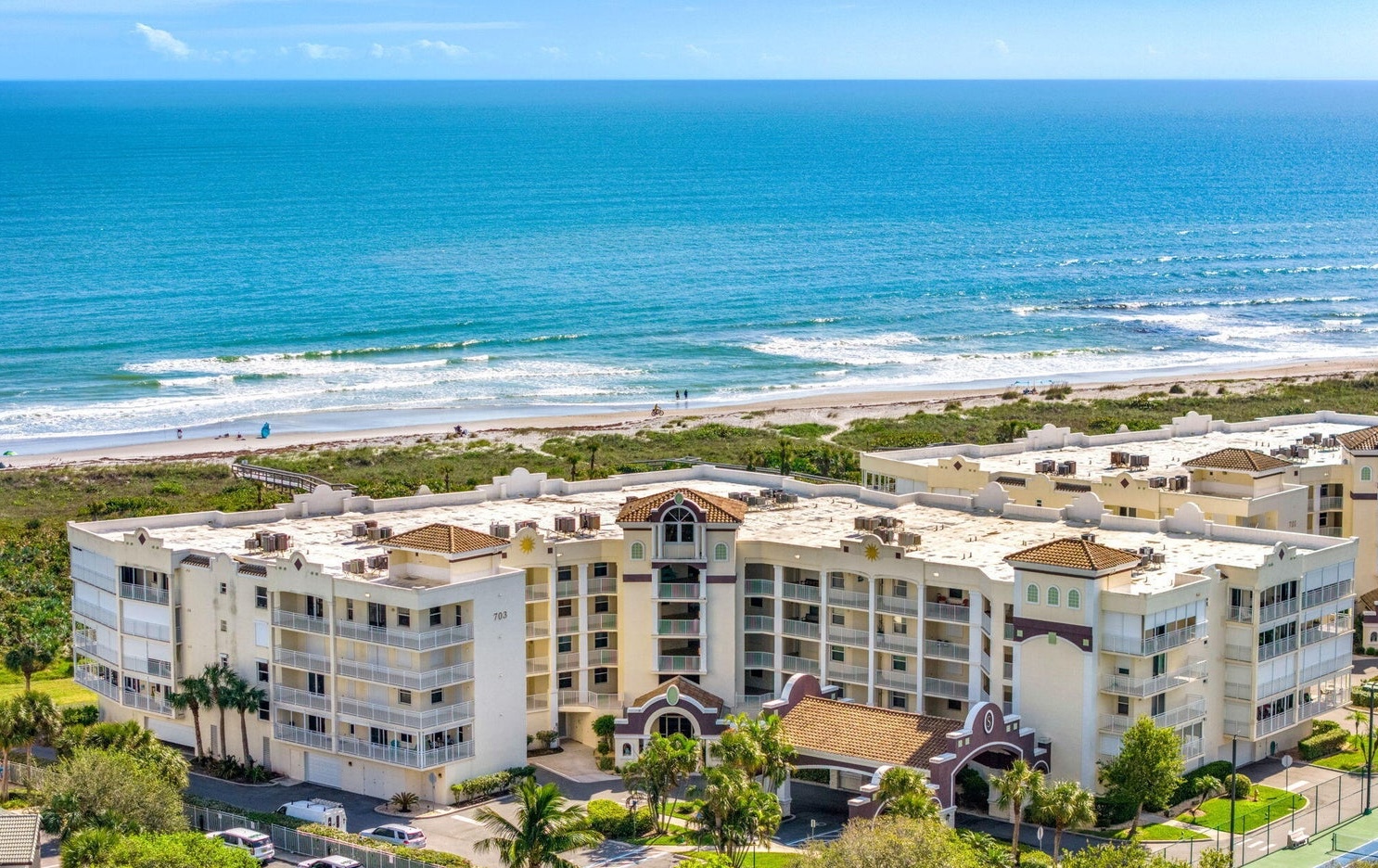
From oceanfront condos along Ridgewood Avenue to seasonal residences near Port Canaveral, the effect of Florida’s 2026 Amendment 3 depends on how you use the property—and whether it qualifies as your permanent Florida home.
Local real estate perspective from Bobby Freeman and Nikki McCoy Freeman · McCoy Freeman Group at Compass · Updated November 2026
What Changes for Cape Canaveral Property Owners in 2027?
These figures concern taxable assessed value, not a cash payment or an automatic reduction of the same dollar amount from your tax bill. School district property taxes remain subject to separate exemption rules. Local millage rates and your property’s assessed value will determine actual savings.
The amendment also establishes a residency distinction: people who were not Florida residents on December 31, 2026 generally begin with the existing homestead exemption when eligible, with access to the increased amount beginning in the fifth year of exemption, subject to constitutional limitations and implementing law.
For the official wording, see the Florida Division of Elections Amendment 3 summary.
How Amendment 3 Affects Cape Canaveral Oceanfront Condos
Condominium ownership alone does not determine homestead eligibility. A Cape Canaveral condo used as an owner’s genuine permanent residence may qualify, provided the owner meets Florida’s applicable requirements. A condo used mainly for vacations, seasonal visits, or rental income generally will not qualify for the expanded homestead exemption.
Three owners in the same building can have different tax outcomes
- Year-round resident: A qualifying homesteaded owner may benefit from the increased non-school exemption.
- Seasonal second-home owner: No expanded homestead exemption solely from ownership; the non-homestead assessment cap may be relevant.
- Investor or vacation-rental owner: Generally treated as non-homestead; tax assessment rules, rental restrictions, and property classification deserve separate review.
Second Homes and Investment Condos: What About the New 5% Cap?
Amendment 3 reduces the annual assessment-growth limitation for eligible non-homestead real property from 10% to 5%. This is an assessment-growth cap, not a promise that property taxes will rise by no more than 5% annually. Changes in millage rates, school taxes, exemptions, ownership, and other factors can affect the final bill.
For Cape Canaveral, this distinction matters to owners who keep a beachfront condo as a winter residence, own a long-term rental, or operate a property as a permitted vacation rental. A purchase or qualifying ownership change can also trigger reassessment under applicable rules.
Should You Buy a Cape Canaveral Condo Before January 1, 2027?
There is no universal answer. The amendment makes December 31, 2026 Florida residency status relevant to the expanded exemption, but buying or closing on a Cape Canaveral property before year-end does not by itself prove permanent residency or establish homestead eligibility.
Before choosing a closing date, buyers should ask the Brevard County Property Appraiser about the property’s likely assessed value, homestead eligibility, filing requirements, and portability if moving from another Florida homestead. They should also confirm insurance, flood exposure, association financials, reserve funding, assessments, and rental policies.
For a broader discussion of timing, read our Space Coast guide to buying or selling before 2027.
Property Taxes Are Only One Part of Cape Canaveral Condo Ownership
Amendment 3 does not directly lower condominium association dues, building insurance premiums, reserve contributions, special assessments, or maintenance expenses. In coastal buildings, those expenses can be as important as property taxes when evaluating affordability.
| Ownership expense | Does Amendment 3 directly change it? |
|---|---|
| Eligible homestead property taxes (non-school portion) | Potentially, through the expanded exemption |
| Eligible non-homestead assessed-value growth | Yes, through the lower annual cap, subject to rules |
| School district property taxes | No expanded exemption under Amendment 3 |
| Condo association dues and reserves | No |
| Special assessments and insurance premiums | No |
Illustrative Cape Canaveral Property Tax Examples
To show how an exemption affects taxes, assume a qualifying homesteaded condo has sufficient assessed value to use the entire increased non-school exemption and an illustrative non-school millage rate of 10 mills ($10 per $1,000 of taxable value). This is a math example, not Cape Canaveral’s actual millage rate or a personalized estimate.
| Scenario | Additional exempt value vs. $50,000 baseline | Illustrative annual non-school tax difference |
|---|---|---|
| 2027: $150,000 exemption | $100,000 | $1,000 |
| 2028: $250,000 exemption | $200,000 | $2,000 |
Example calculation: additional exempt value ÷ 1,000 × 10 mills. Actual results depend on assessed value, applicable levies, exemptions, local decisions, eligibility, and final administration. Not all owners can use the full exemption. The amounts are not guaranteed savings.
What Cape Canaveral Sellers Should Know
Property-tax reform may be part of a buyer’s affordability conversation, but it does not replace realistic pricing, strong presentation, or careful condo due diligence. Buyers are also comparing monthly association fees, insurance exposure, building condition, financing availability, and rental flexibility.
When marketing a Cape Canaveral condo, it helps to distinguish current owner taxes from a purchaser’s estimated future taxes and to provide accurate association information. Bobby and Nikki Freeman work with buyers and sellers throughout Cape Canaveral and the surrounding Space Coast, including oceanfront, riverfront, and resort-style condo communities.
Explore More Space Coast Amendment 3 Guides
Compare property-tax considerations across Brevard County, including primary residences, second homes, waterfront properties, and new construction.
Cape Canaveral Amendment 3: Frequently Asked Questions
Does Amendment 3 apply to Cape Canaveral condos?
Yes, the amendment can affect condos, but the benefit depends on the property’s classification and the owner’s eligibility. The expanded homestead exemption is for qualifying primary residences, not every condo.
Will my Cape Canaveral vacation condo get the $150,000 exemption in 2027?
Not merely because you own it. A vacation or second home generally does not qualify for a Florida homestead exemption.
Does the 5% non-homestead cap mean my taxes cannot rise more than 5%?
No. It limits certain annual assessed-value increases, not every component of the final property-tax bill.
Do I need to close before December 31, 2026?
Not necessarily. The amendment addresses Florida residency status at that date, but a closing date alone does not establish residency or homestead qualification. Seek individualized guidance before changing a transaction timeline.
Will Amendment 3 reduce my HOA fees or special assessments?
No. Condo association dues, reserve obligations, and special assessments are separate from ad valorem property taxes.
Will a buyer pay the same property taxes as the seller?
Not necessarily. A change in ownership can affect assessed value and exemptions. Buyers should obtain their own estimates from the Brevard County Property Appraiser.
Are school property taxes included in the larger exemption?
No. The amendment’s increased homestead exemption applies to non-school levies.
Where can I verify my Cape Canaveral property’s eligibility?
Start with the Brevard County Property Appraiser and the official Florida amendment summary.