



Cocoa Beach Real Estate · Property Tax Guide
Florida Amendment 3 in Cocoa Beach: What Homeowners, Condo Owners & Buyers Need to Know
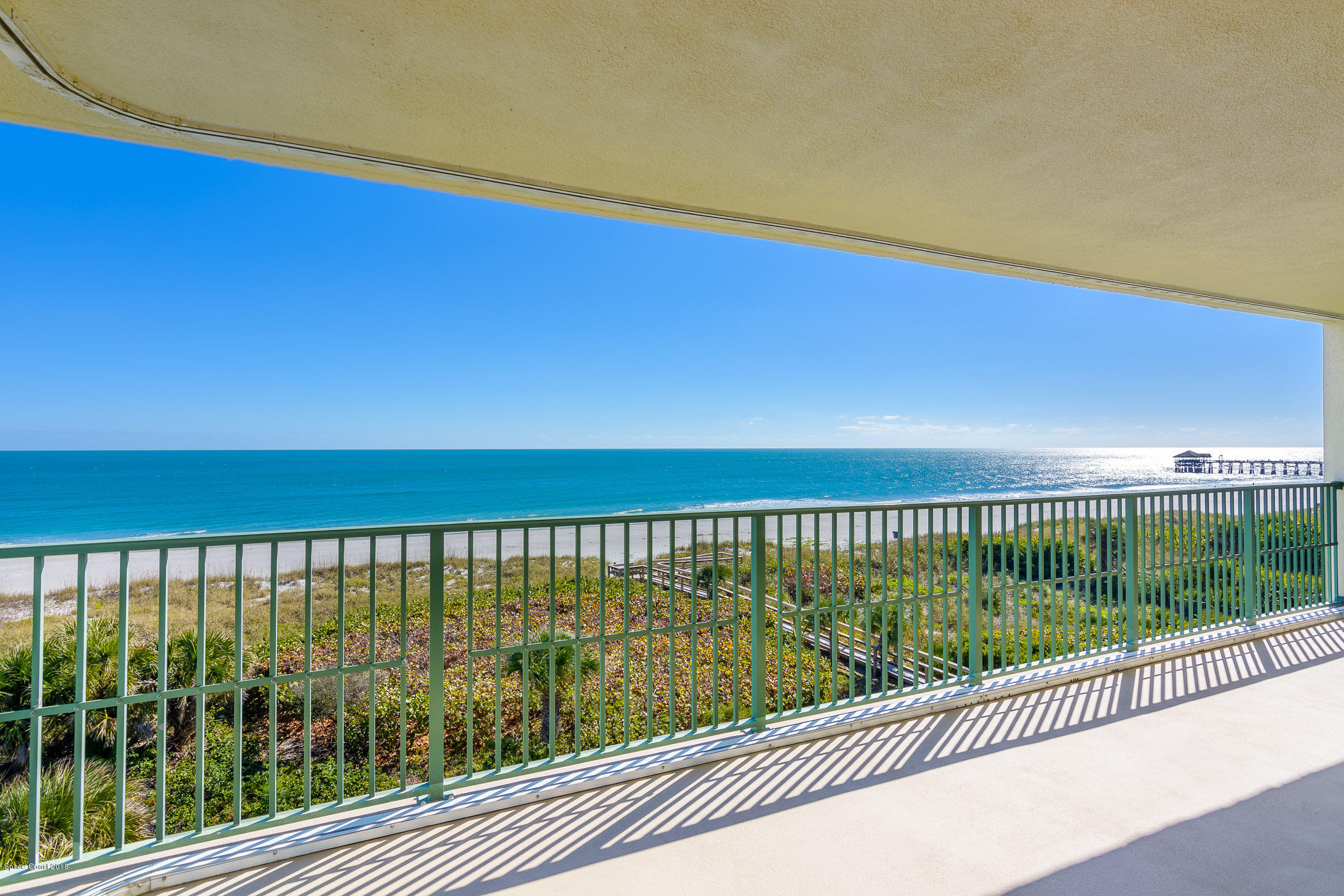
From oceanfront condominiums to canal-front homes, Florida’s 2026 property-tax amendment raises important questions about homestead exemptions, second homes, and buying in Cocoa Beach before 2027.
Updated November 4, 2026 · By Bobby Freeman and Nikki McCoy Freeman · McCoy Freeman Group at Compass
The short answer
Florida Amendment 3 provides for a larger non-school homestead exemption for qualifying primary residences—$150,000 in 2027 and $250,000 in 2028—and lowers the annual assessment-growth cap on qualifying non-homestead property from 10% to 5%. The increased homestead exemption does not automatically apply to vacation condos, second homes, or rentals. Special residency rules also matter for people who were not Florida residents on December 31, 2026. Your actual savings depend on eligibility, taxable value, local millage rates, and implementation.
What Florida Amendment 3 changes for Cocoa Beach property owners
The amendment, placed on Florida’s November 3, 2026 ballot, changes two different parts of the property-tax system. One concerns homesteaded primary residences; the other concerns certain non-homestead properties. These should not be confused.
The larger homestead exemption concerns non-school property taxes; school district taxes remain a separate calculation. An exemption reduces taxable value for applicable levies—it does not mean every qualifying homeowner receives a $150,000 or $250,000 tax refund. Nor does a 5% assessment cap guarantee a 5% limit on a property’s total tax bill.
For the underlying language, see the Florida Division of Elections amendment summary and Brevard County Supervisor of Elections ballot information.
How Amendment 3 affects Cocoa Beach oceanfront condo owners
Cocoa Beach has an unusual mix of full-time residents, seasonal owners, vacation properties, and rental condominiums. Two units in the same oceanfront building can have very different property-tax treatment, even when they have similar layouts and views.
If your condo is your permanent Florida residence
If you own and occupy the condo as your permanent residence and qualify for homestead, the expanded non-school exemption may be relevant to your tax bill. Eligibility and any applicable residency provisions still need to be confirmed with the property appraiser.
If your condo is a vacation home
A condo used as a second home generally does not qualify for the homestead exemption simply because you spend part of the year in Cocoa Beach. However, the non-homestead assessment limitation may be relevant, depending on the property’s classification and applicable rules.
If your condo is rented to guests or tenants
Investment or rental use does not create homestead eligibility. Also remember that property taxes are only one part of condo ownership costs. Association fees, insurance, reserves, assessments, financing, and rental restrictions may matter more to a particular buyer’s budget.
What about second homes and investment condos?
Amendment 3’s lower non-homestead assessment-growth cap is particularly worth understanding for owners of eligible second homes and investment properties. It limits certain annual increases in assessed value, not market value, insurance premiums, HOA fees, or the total property-tax bill. Changes of ownership, improvements, classification, and other statutory rules can affect how a property’s assessed value is determined.
| Property use | Expanded homestead exemption? | Non-homestead assessment cap? |
|---|---|---|
| Qualifying primary residence | Potentially yes, subject to eligibility and residency provisions | Generally no; homesteaded properties have separate assessment rules |
| Seasonal / second-home condo | Generally no | Potentially, subject to applicable law |
| Rental / investment condo | Generally no | Potentially, subject to applicable law |
Should you buy a Cocoa Beach home before January 1, 2027?
Not solely because of Amendment 3. The amendment specifically distinguishes people who were Florida residents on December 31, 2026 from people who were not. For those who were not Florida residents on that date, the amendment provides for the existing homestead exemption when they otherwise qualify, with access to the increased exemption beginning with the fifth year of exemption, to the extent permitted by the U.S. Constitution.
That does not mean signing a contract or closing on a Cocoa Beach condo before December 31 automatically establishes Florida residency, creates a homestead, or guarantees the larger exemption. Permanent residency and homestead qualification are factual and legal questions. Florida’s January 1 property-tax assessment date and the homestead application process are also separate issues.
Before making a purchase decision, check these four things
- Intended use: Will this be your permanent residence, a seasonal retreat, or an income-producing property?
- Likely post-purchase taxes: Ask for a buyer-specific estimate rather than relying on the seller’s tax bill.
- Residency and homestead eligibility: Confirm the applicable rules with the Brevard County Property Appraiser and your tax or legal adviser.
- Total cost of ownership: Review insurance, flood exposure, association finances, building inspections, reserves, and possible special assessments.
For the wider timing discussion, read our Space Coast guide to buying or selling before 2027.
Should Cocoa Beach homeowners sell or move because of Amendment 3?
Amendment 3 may influence some buyers’ calculations, but it should not replace a market-based pricing strategy. For sellers, the more practical questions are whether your current home still fits your needs, how your property’s value compares with recent closed sales, and what your next home will cost after taxes, insurance, and financing.
If you are selling a longtime homesteaded residence and buying another Florida primary residence, ask the property appraiser about Save Our Homes portability and how the new exemption rules interact with your particular circumstances. Do not assume that your existing tax bill transfers to a new owner or that your current exemptions automatically transfer to a new property.
In Cocoa Beach, a well-priced oceanfront condo, an updated beachside home, and a canal-front property can appeal to very different buyers. Amendment 3 is a relevant conversation—but condition, building financials, location, and comparable sales still drive pricing.
Cocoa Beach property-tax examples: what the numbers do—and don’t—show
Consider a hypothetical qualifying primary residence with enough taxable value to use the entire expanded exemption. Relative to a $50,000 non-school homestead exemption, a $150,000 exemption represents an additional $100,000 of exempt non-school taxable value in 2027; a $250,000 exemption represents an additional $200,000 in 2028. Actual savings depend on the applicable non-school millage rates and other factors.
| Illustrative scenario | Additional exempt non-school taxable value | Illustrative savings at 8 mills* |
|---|---|---|
| 2027 qualifying exemption | Up to $100,000 | Up to $800 per year |
| 2028 qualifying exemption | Up to $200,000 | Up to $1,600 per year |
*Example only: 8 mills is an assumed non-school rate, not a verified Cocoa Beach rate or a savings forecast. Calculations assume full eligibility and sufficient taxable value. Special residency rules, other exemptions, local levies, and future implementation may change the result.
Why the Cocoa Beach market deserves its own Amendment 3 guide
The same statewide amendment can raise very different questions along Cocoa Beach’s oceanfront and Banana River waterfront. A full-time resident in an oceanfront condominium may be evaluating homestead benefits. A snowbird purchasing a seasonal unit may be focused on the non-homestead assessment cap. A buyer considering a canal home may be comparing a new tax estimate with dock, seawall, and insurance costs.
That is why we encourage owners and buyers to evaluate the individual property and intended use—not just a statewide headline about lower taxes. For broader context, visit our Brevard County Amendment 3 homeowner guide.
Frequently asked questions about Amendment 3 in Cocoa Beach
Does Amendment 3 lower property taxes on every Cocoa Beach condo?
No. The expanded homestead exemption applies to qualifying primary residences and non-school taxes. Second homes and rentals generally do not receive that exemption, although eligible non-homestead properties may benefit from the lower assessment-growth cap.
Can a seasonal Cocoa Beach condo qualify for homestead exemption?
Not merely because its owner spends part of the year there. Homestead generally requires that the property be the owner’s permanent residence and that all applicable eligibility requirements be satisfied.
Will the $250,000 exemption apply in 2027?
No. The amendment specifies a $150,000 non-school homestead exemption for 2027 and $250,000 for 2028, subject to eligibility and implementation.
Should I close on a Cocoa Beach property before December 31, 2026?
That date matters to the amendment’s Florida-residency provision, but closing by December 31 alone does not prove Florida residency or guarantee the increased homestead exemption. Review your circumstances with the property appraiser and a qualified adviser.
Does the 5% cap mean my condo taxes cannot increase more than 5%?
No. It is a limitation on certain annual increases in assessed value for qualifying non-homestead property, not a blanket cap on the total tax bill or on the property’s market value.
Do Cocoa Beach buyers inherit the seller’s property-tax bill?
Not necessarily. A change in ownership can affect assessment, and the seller’s exemptions may not apply to the buyer. Obtain a buyer-specific estimate.
Where can I verify homestead eligibility and estimate taxes?
Contact the Brevard County Property Appraiser. For the amendment’s text, use the Florida Division of Elections.
Local knowledge. Thoughtful guidance.
Considering a Cocoa Beach move?
Whether you’re comparing oceanfront condos, evaluating a waterfront home, or preparing to sell, Bobby Freeman and Nikki McCoy Freeman of McCoy Freeman Group at Compass can help you understand the local real estate market and the questions to bring to your property-tax adviser.
Official sources and further reading
- Florida Division of Elections — Amendment 3 summary and text
- Brevard County Supervisor of Elections — 2026 ballot amendments
- Brevard County Property Appraiser — homestead and assessment information
- McCoy Freeman Group — Brevard County homeowner guide
- McCoy Freeman Group — buying or selling before 2027
Editorial note: This article provides general real estate information, not individualized legal or tax advice. Exemption eligibility, residency requirements, and implementation should be verified with the relevant public authority or a qualified professional. Published November 4, 2026.